Changing Consumer Demand and Market Expansion
Consumer eating habits are shifting. A growing emphasis on health, fresh foods, and diverse diets means that demand for a wider variety of fresh produce is rising in regions that cannot fully supply their own food needs. As a result, more fresh produce will need to be imported across international borders to meet specific customer preferences and seasonal demand.
This trend creates opportunities to open new trade lanes for agricultural products — including out-of-season produce — provided that logistics partners can plan containerised shipments that protect quality and meet delivery expectations.
Ongoing Disruptions and the Need for Resilience
The global produce trade continues to face challenges such as geopolitical tensions, tariffs, climate-related weather events, and shifting regulatory environments. These factors make supply chains vulnerable to delays and interruptions.
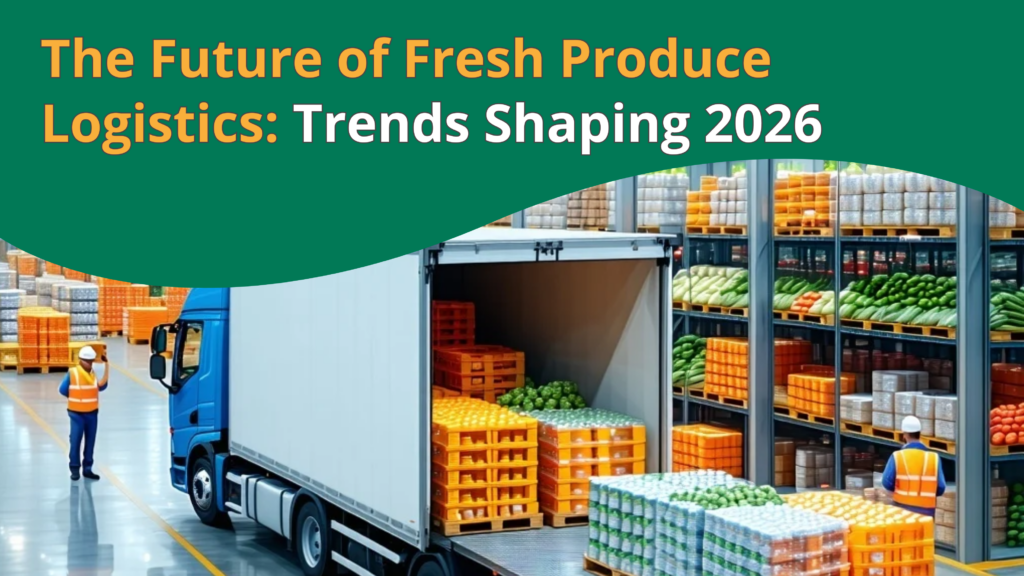
For logistics providers, this underscores the importance of resilient planning, strong carrier relationships, and routing flexibility — particularly when moving refrigerated and perishable cargo in controlled environments to ensure freshness upon arrival.
New Production Regions and Extended Availability
One notable trend is the expansion of production areas capable of supplying fresh produce year-round. By shifting sourcing within countries or across regions to follow seasonal patterns, exporters can maintain consistent supply and open access to markets that were previously unserved or undersupplied.
This dynamic creates opportunities for new containerised trade flows, especially where cold chain and reefer container capacity is combined with structured planning to preserve quality and reduce spoilage.
 Head Office: Unit 7 Rydell Vale Park, Douglas Saunders Drive, La Lucia Ridge, Durban
 +27 (31) 303 6175

